Curious about how it all works?
This is our curriculum framework — including how we cover core academic standards through project-based learning, incorporate the Four Roots of Learning, and nurture lifelong learners.
The Four Roots of Learning
Every program at Foothill Frolic Farm & Forest School is grounded in four interconnected roots. These aren't subjects — they're ways of being in the world.
Nature
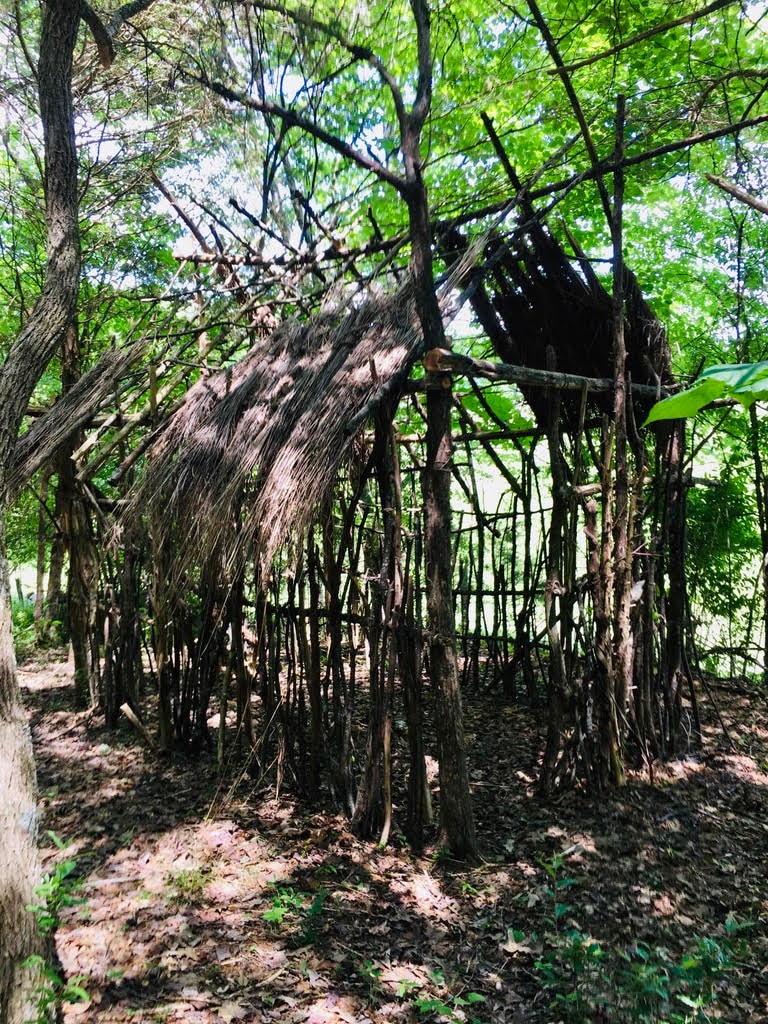
The natural world is our first and most enduring teacher. Time outdoors — in all seasons, in all weather — builds observation, resilience, and wonder.
Real Work
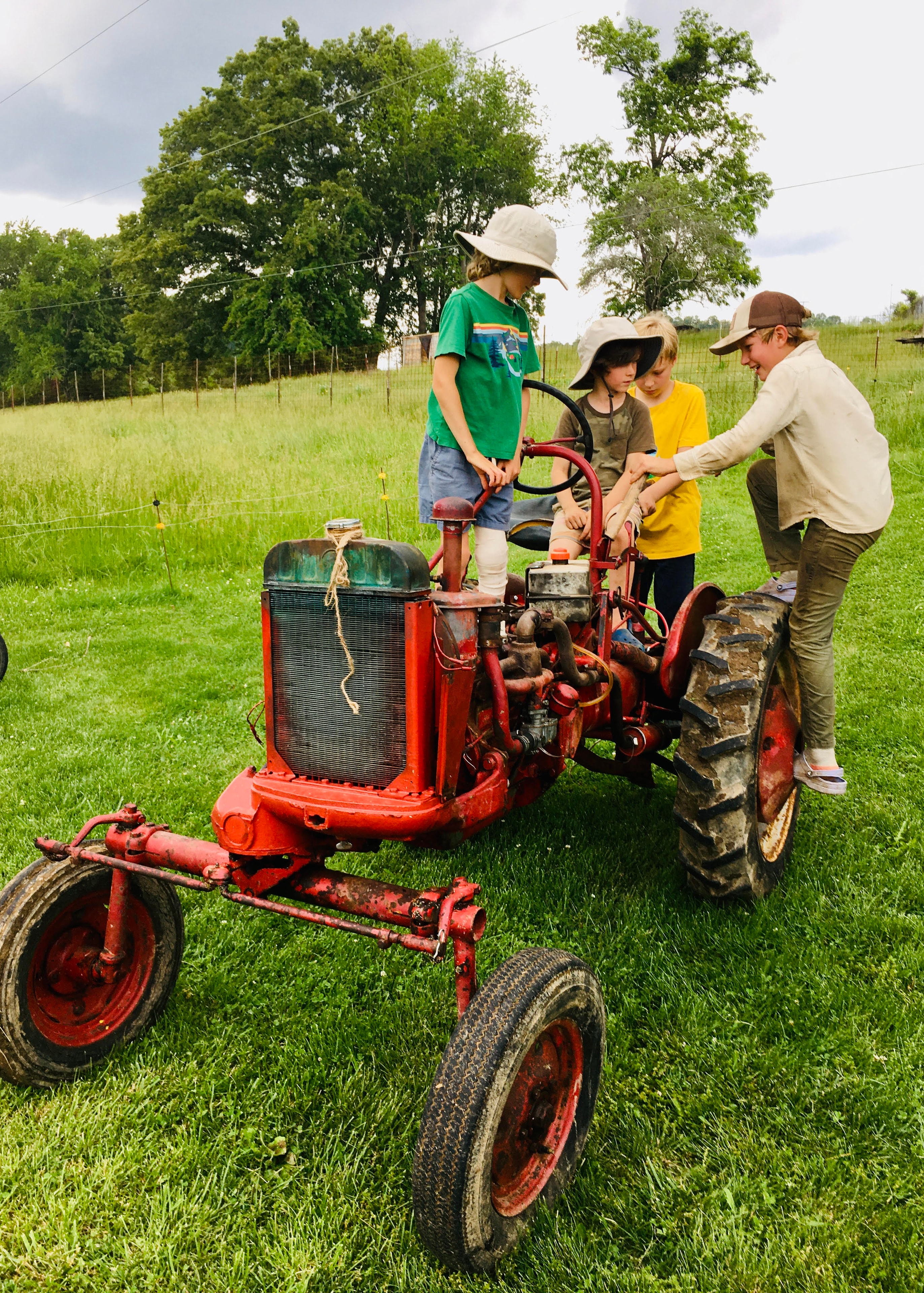
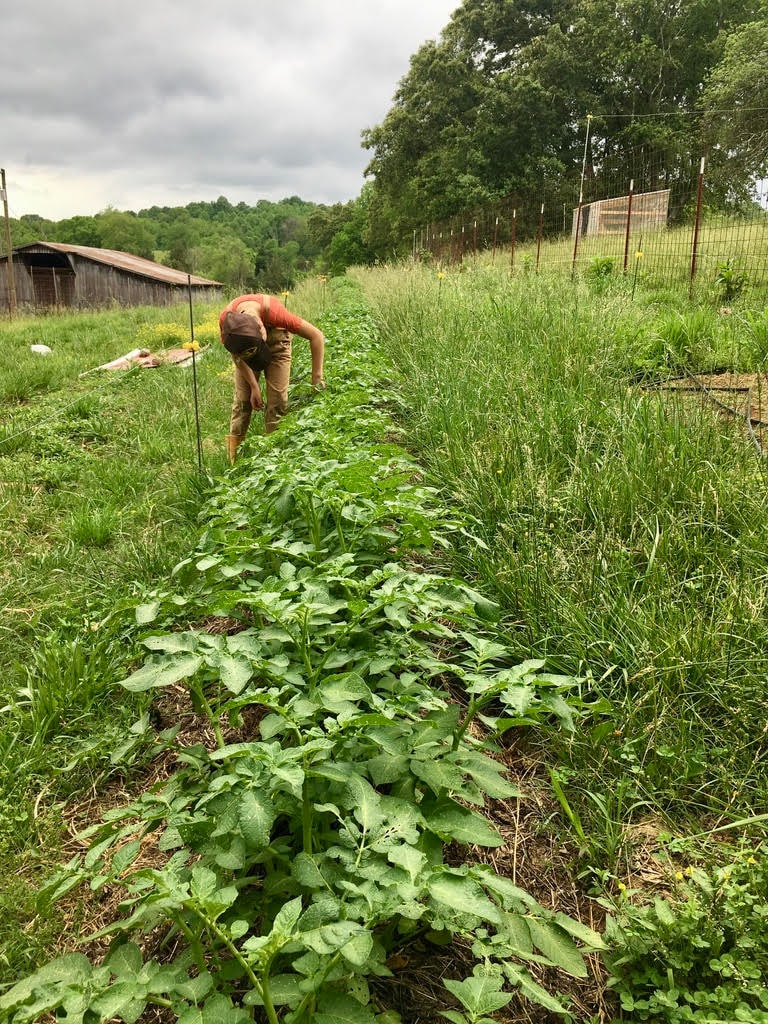
Children thrive when their efforts produce something real. Building, growing, cooking, and creating alongside adults gives learning its weight and meaning.
Community
Learning is a social act. Mixed-age groups, shared projects, and genuine responsibility to one another build the habits of collaboration and belonging.
Lifelong Learning
We nurture curiosity, not compliance. Our goal is not a graduate — it's a learner who carries the love of discovery into every chapter of their life.
Depth over coverage. Understanding over performance.
Rather than attempting to cover every possible grade-level standard simultaneously, we've identified a carefully selected set of high-leverage learning foundations — concepts and skills that provide the greatest long-term value and transfer across disciplines, projects, and life itself.
Academic Foundations
Carefully selected Math & ELA standards emphasizing depth of understanding over broad coverage.
Place-Based Studies
Learning connected directly to the farm, forest, community, and natural world of East Tennessee.
Human Development
Habits, dispositions, and character qualities woven throughout daily life and project work.
Multi-Age Learning
Mixed-age environments are not a limitation — they are a strength. Older students lead; younger students grow.
Two habits that change everything
The Reasonableness Filter
Before relying on formulas, tools, or calculations, students learn to estimate, predict, and ask: "Does this make sense?" This habit develops quantitative reasoning, practical judgment, and confidence in one's own thinking.
The Deep Ingestion Commitment
Students engage in sustained daily reading of appropriately challenging books, field guides, manuals, articles, and literature. This habit develops vocabulary, curiosity, background knowledge, and the capacity for independent lifelong learning.
Project & Problem-Based Learning
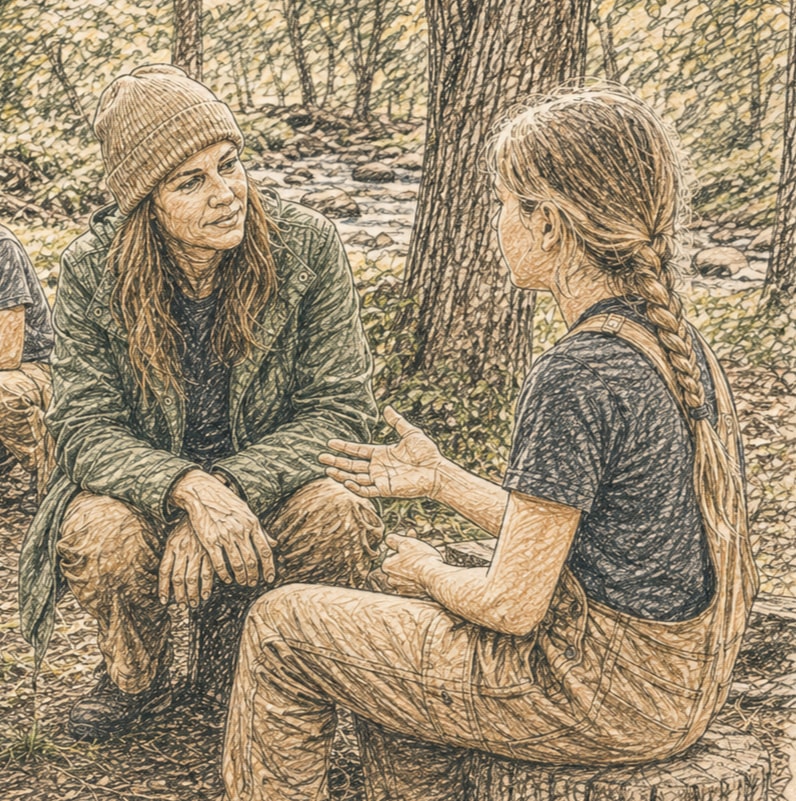
At Foothill Frolic, meaningful learning begins with curiosity. Children are naturally driven to understand themselves, their world, and their place within it. Our role as Teacher Guides is not to fill empty vessels with information, but to help students pursue understanding through meaningful experiences.
The Hook
Every project begins with an invitation — a story, mystery, guest speaker, field experience, or community challenge — designed to ignite genuine curiosity and imagination.
Clear Outcomes
Students deserve clarity. Every project includes learning targets, success criteria, rubrics, timelines, and examples. Students know where they're headed before beginning the journey.
Mini-Lessons
Teacher Guides provide direct instruction when necessary — math, writing, research, tool use, design thinking, agriculture — delivered at the moment they become useful, not from a pacing guide.
Practice & Exploration
Students need time to struggle. Teacher Guides resist the urge to rescue too quickly. This practice develops competence, confidence, independence, creativity, and resilience.
Reflection & Peer Review
Students regularly evaluate their process, effort, growth, and contributions. Peer feedback becomes an important — and valued — source of learning.
Presentation
Students share their work publicly — with each other, families, and the wider community. Presentations create purpose, accountability, and pride in craftsmanship.
Revision
Revision is expected. High-quality work rarely emerges on the first attempt. Students learn that growth is a process — and that's not a failure, it's the point.
Culmination
Projects conclude with authentic celebrations: exhibitions, community presentations, performances, published work, demonstrations, and shared experiences that honor both the work and the learners.
"Learning happens in the minds and souls, not in the databases of multiple-choice tests."
— Sir Ken Robinson